
Breaking the Low-Pressure & Low-Speed Limit! Kousei Seimitsu's 6-inch LN Lapping Sheet Polishing Solution Demonstrates Hardcore Strength with Data!
Breaking the Low-Pressure & Low-Speed Limit! Kousei Seimitsu's 6-inch LN Lapping Sheet Polishing Solution Demonstrates Hardcore Strength with Data!
Kousei Seimitsu 6-inch LN Polishing: Hardcore Strength Proven by Data!
In the field of lithium niobate (LN) lapping sheet processing, the material removal efficiency, precise control of thickness uniformity (TTV), and the balance between processing cost and consumable durability are core concerns during mass production, directly affecting product quality and market competitiveness.
KOUSEISEIMITSU recently conducted dedicated tests on 6-inch LN lapping sheets. These tests not only fully demonstrated a standardized technical implementation process but also proved with solid data that our polishing solution can perfectly address the industry's core needs, achieving a triple optimization of "efficiency, precision, and cost"!
01 Test Preparation: Full-Chain Control of Foundation Conditions from Equipment to Consumables
To ensure the rigor and reference value of the test results, "solid hardware" is the key. From the machine, polishing pad, and polishing slurry to the lapping sheet, this test adopted proven, high-quality configurations for each, laying a solid foundation for the subsequent solution implementation:
Core Machine
The Mingzheng 16B double-side polisher, a high-precision polishing equipment commonly used in the industry, ensures operational stability and parameter controllability.
Polishing Pad
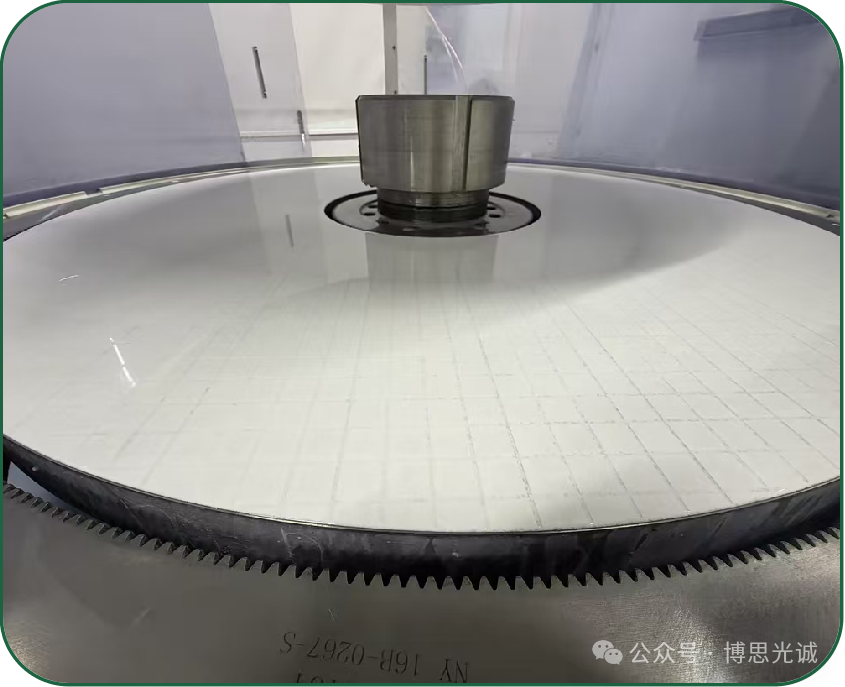
TORAY ATA880 non-woven fabric offers excellent processability and abrasion resistance, adapting to polishing needs under different pressures and speeds.
Core Consumable
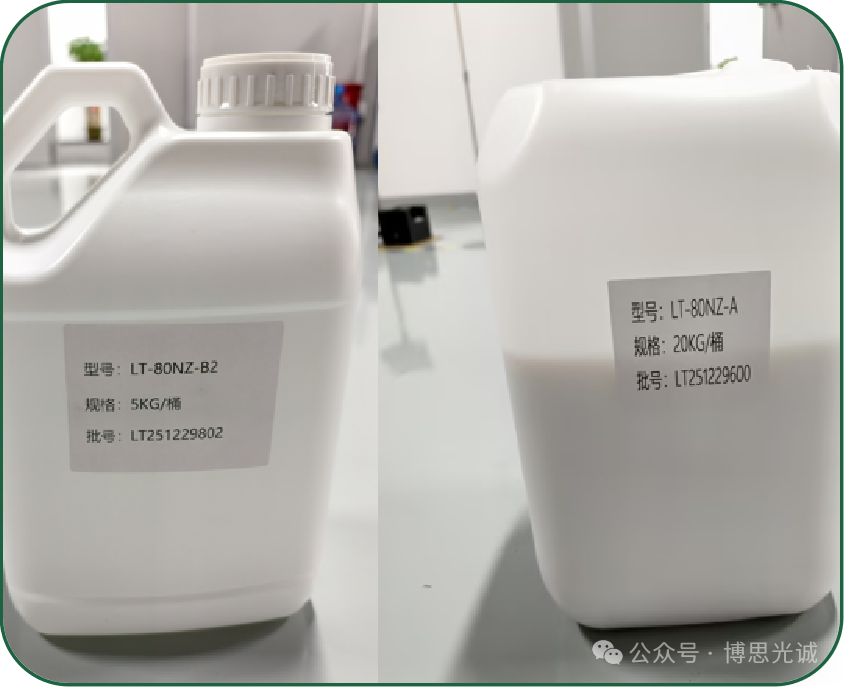
Kousei Seimitsu's self-developed two-component silica polishing slurry (KSTP-80NZ, diluted proportionally before use), which also serves as the "carrier of core competitiveness" in this test.
Test Target
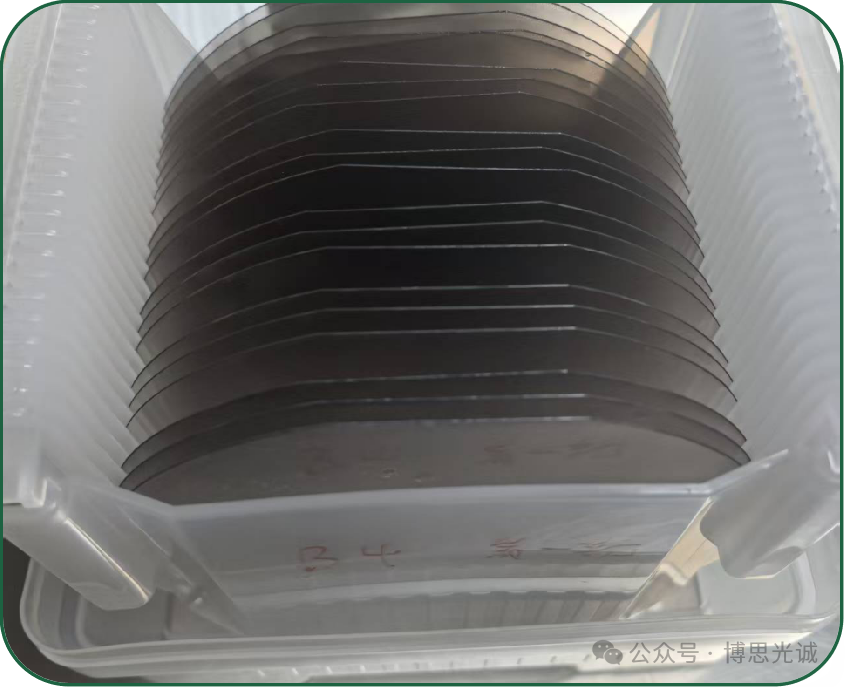
6-inch LN lapping sheets, covering multiple sample groups with different initial states, ensuring the universality of the results.
02 Three Solutions in Parallel: Simulating Real Scenarios to Verify Polishing Capability Layer by Layer
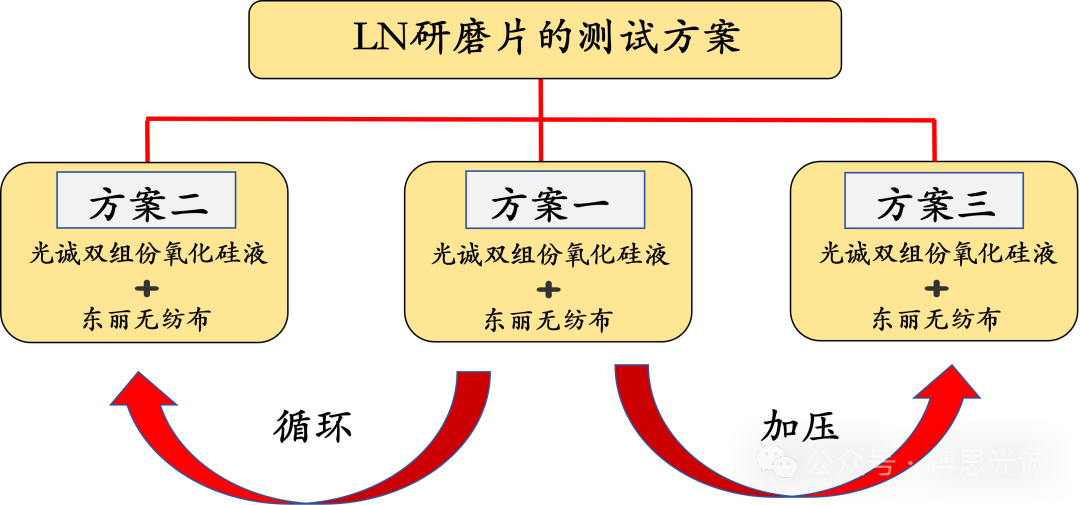
To comprehensively verify the performance of the solution under different operating conditions, we designed three differentiated test solutions, targeting the three core scenarios of "basic low-pressure low-speed," "recycled polishing," and "high-pressure low-speed." Each step of the process is strictly standardized to ensure reproducible data:
Solution | Core Positioning | Key Settings |
Solution 1 | Basic low-pressure low-speed condition | Low pressure and low speed, stable slurry temperature and uniform slurry supply, sufficient single-pass polishing duration |
Solution 2 | Recycled polishing condition | Low-pressure setting, slightly adjusted speed, recycled polishing slurry, re-polishing the finished product of Solution 1, maintaining stable slurry temperature, uniform slurry supply, and standard polishing duration |
Solution 3 | High-pressure low-speed condition | High pressure and low speed, maintaining stable slurry temperature, uniform slurry supply, and standard polishing duration, with enhanced gap value measurement accuracy |
03 Let the Data Speak: Four Core Advantages Surpassing Industry Conventional Levels
The test analyzed four key dimensions—RA value, removal rate, TTV value (thickness uniformity, the lower the better), and stability—and the results are excellent:
RA Value: Excellent Across All Conditions, Ultra-Fine Surface Quality Is Stable
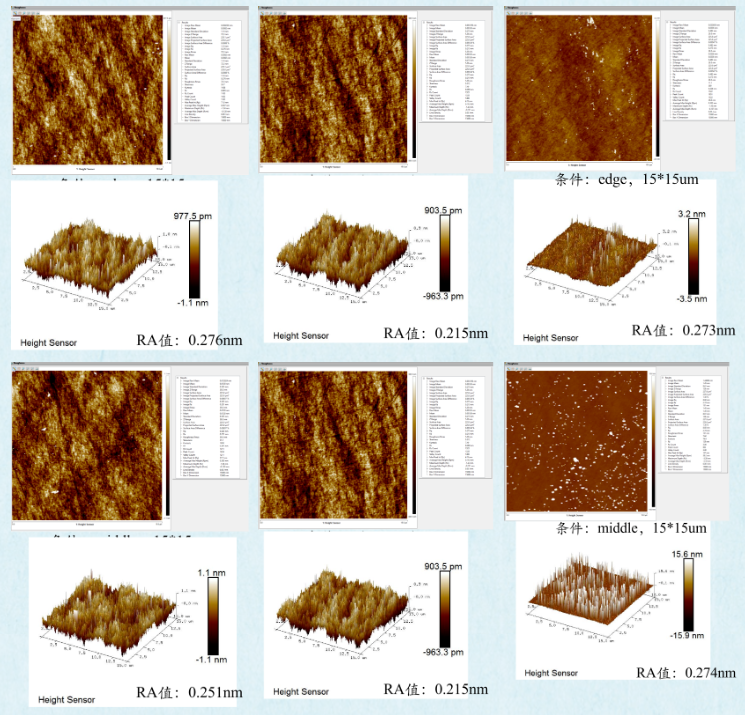
The three sets of test graphs intuitively confirm the ultra-precision processing capability of the Kousei Seimitsu polishing solution: under different operating conditions, the surface roughness of 6-inch LN lapping sheets remains stable at the 0.2-0.3nm level, with better uniformity in the central region than at the edges. Under some conditions, an extremely flat surface with a height difference within ±1nm can be achieved, perfectly matching high-precision application requirements.
Removal Rate: Efficient at Low Pressure, Even Stronger at High Pressure, Controllable Recycling Decay
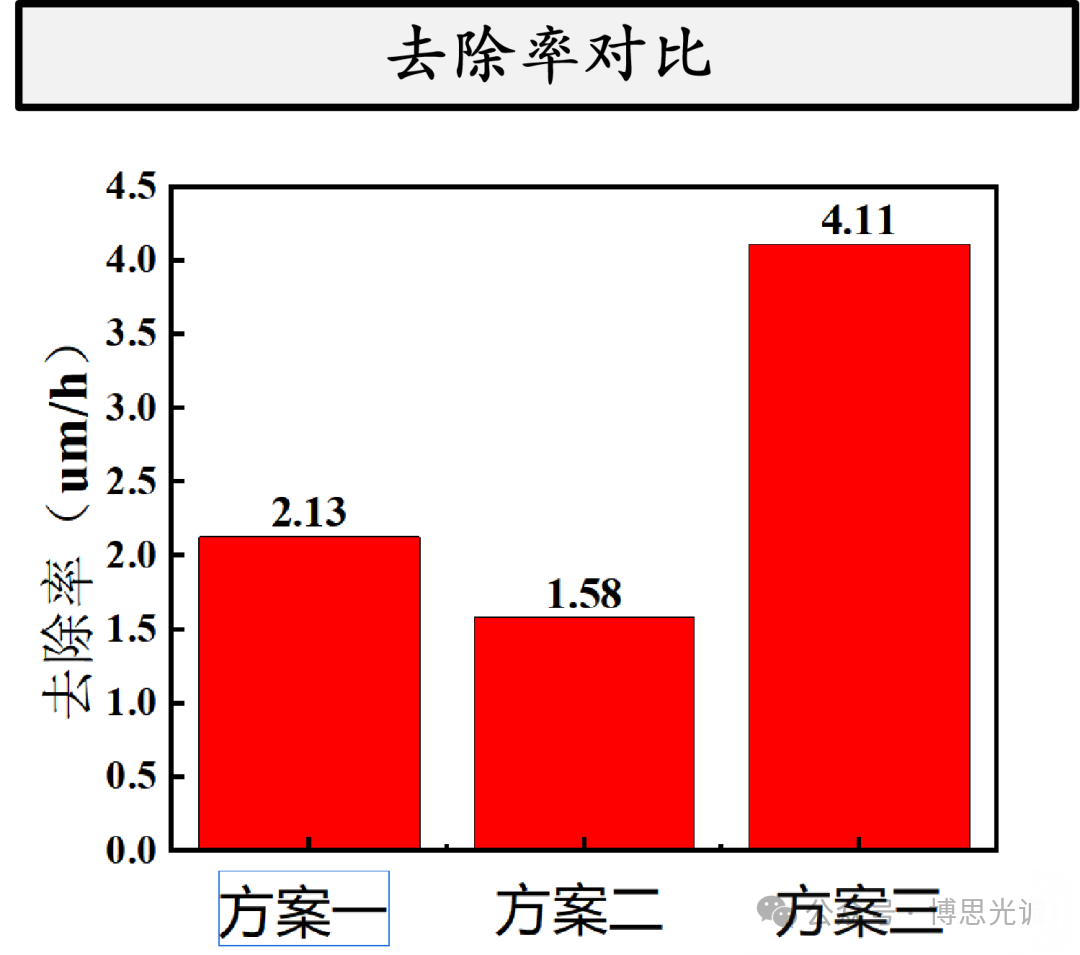
• Solution 1 (low pressure 100g/cm²): average removal rate 2μm/h;
• Solution 2 (increased pressure 160g/cm²): average removal rate 3.3-4.2μm/h;
• Solution 3 (recycled polishing): removal rate decays by only 20% (1.5-1.7μm/h).
TTV Value: Maximum Uniformity, Stable Yield Rate
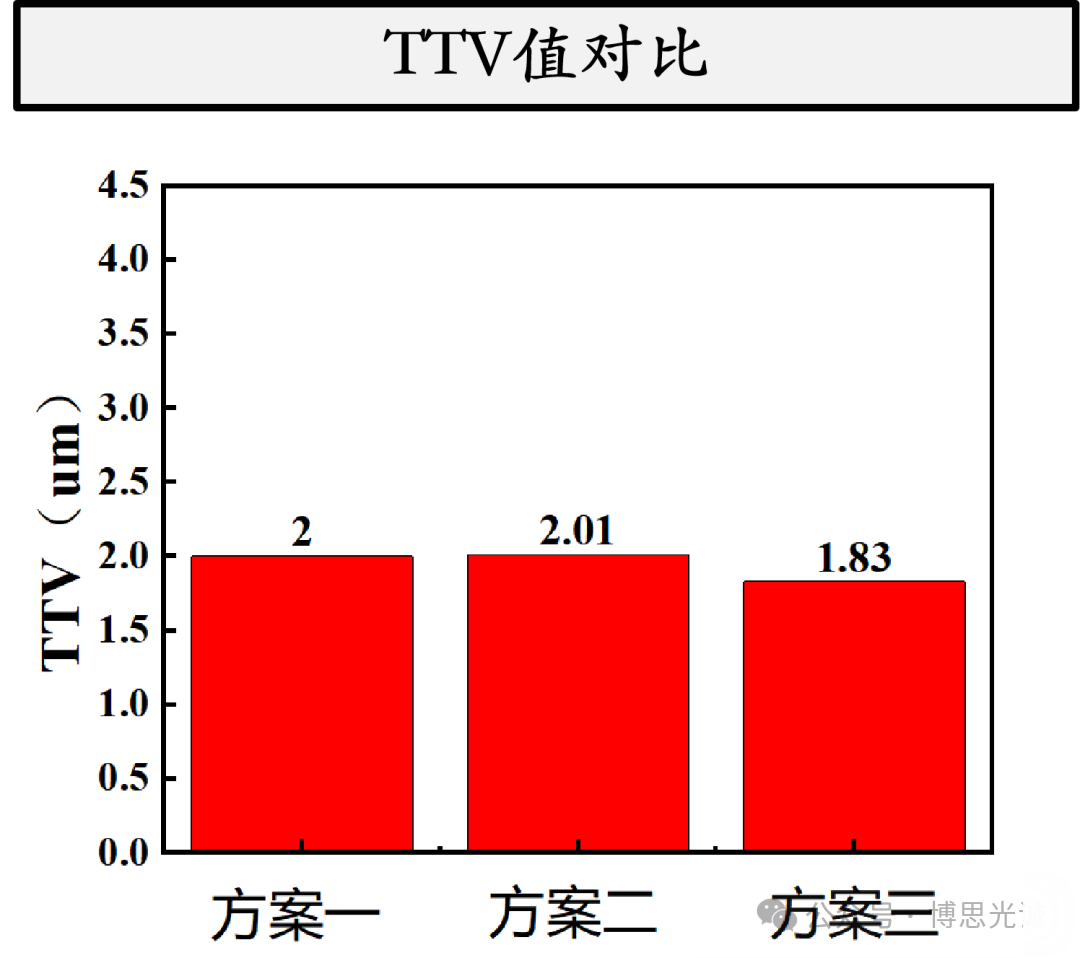
The industry acceptance standard is TTV≤2.5μm, and the Kousei Seimitsu solution performs even better:
• Solution 1: sample TTV≤2.4μm, with a minimum of 1.6μm;
• Solution 2: sample TTV fully controlled within 2.3μm, no sample exceeding the limit, with most concentrated at 1.7-2.0μm, further improving uniformity;
• Solution 3: sample TTV never exceeds 2.1μm, with an average of only around 1.8μm, achieving high-pressure, high-efficiency removal while perfectly avoiding the industry pain point of "fast polishing inevitably leads to non-uniformity."
Within the same solution, the fluctuation range of the removal rate across different samples is small. Even with recycled consumables, stable polishing performance is maintained, with minimal batch-to-batch variation.
END: Not Merely Meeting Standards, but Committed to Leading the Way
In this 6-inch LN lapping sheet polishing test, Kousei Seimitsu used three core achievements—"stable removal at 2μm/h under low pressure," "efficient processing at 3.5μm/h under high pressure," and "recycling decay of only 20%"—to break the industry's entrenched beliefs that "low pressure and low speed equal low efficiency" and "high pressure equals non-uniformity."
The core behind this is precisely the technological breakthrough of Kousei Seimitsu's self-developed two-component silica polishing slurry—by precisely controlling the particle size and dispersion of silica particles, combined with the compatibility optimization of the TORAY ATA880 polishing pad, a triangular balance of "efficiency, uniformity, and cost" is achieved.
In the future, Kousei Seimitsu will continue to deepen its presence in the precision material processing field such as LN, using tests and solutions that are closer to industrial needs to provide customers with one-stop solutions for "cost reduction, quality improvement, and efficiency enhancement." If you are also struggling with the efficiency or quality of precision lapping and polishing, feel free to contact us—let data testify to our strength!


