
Grinding Wheel Structure Revealed: The "Triangular Collaboration" of Abrasive Grains, Bonding Agent, and Pores
Grinding Wheel Structure Revealed: The "Triangular Collaboration" of Abrasive Grains, Bonding Agent, and Pores
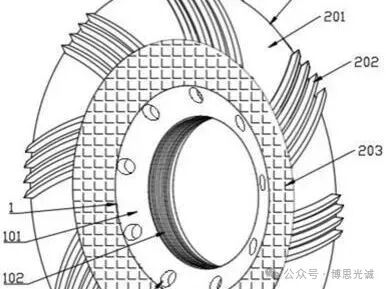
A thinning (back-grinding) wheel may look like an ordinary grinding tool, but it is actually a "cutting master" precisely assembled from three core parts. Today, let's take apart the construction secrets of the grinding wheel and understand the design logic behind it.
01
The "Three Core Components" of a Grinding Wheel
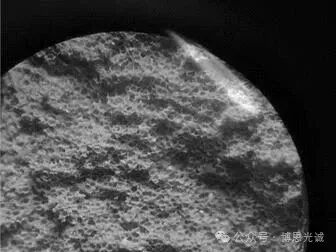
Abrasive Grains
The "cutting edge" of the wheel, directly responsible for cutting the workpiece material, is the core unit that achieves grinding.
Bonding Agent
The "adhesive + support frame" of the abrasive grains. It firmly bonds the dispersed grains together while providing stable support during processing and withstanding the grinding load.
Pores
The "multi-functional channels" of the wheel — they discharge the chips produced by grinding to prevent clogging that affects processing; they store the grinding fluid; and they rapidly dissipate the heat generated during machining, protecting both the workpiece and the wheel itself.
02
The "Five-Element Code" of a Conventional Grinding Wheel
To select and use the right wheel, first understand these five key parameters:
Abrasive grain: the type of particles that cut the workpiece (determines material suitability)
Grit size: the particle size of the abrasive grains (affects cutting efficiency and surface quality)
Bonding degree: the strength with which the bonding agent holds the abrasive grains (related to the durability and service life of the wheel)
Abrasive grain content: the proportion of abrasive grains in the wheel (affects grinding efficiency, durability, and machining quality)
Bonding agent: the specific material used to bond the grains (suited to different processing scenarios)
03
Two Classifications of Grinding Wheels and "Abrasive Grain Content" Know-How
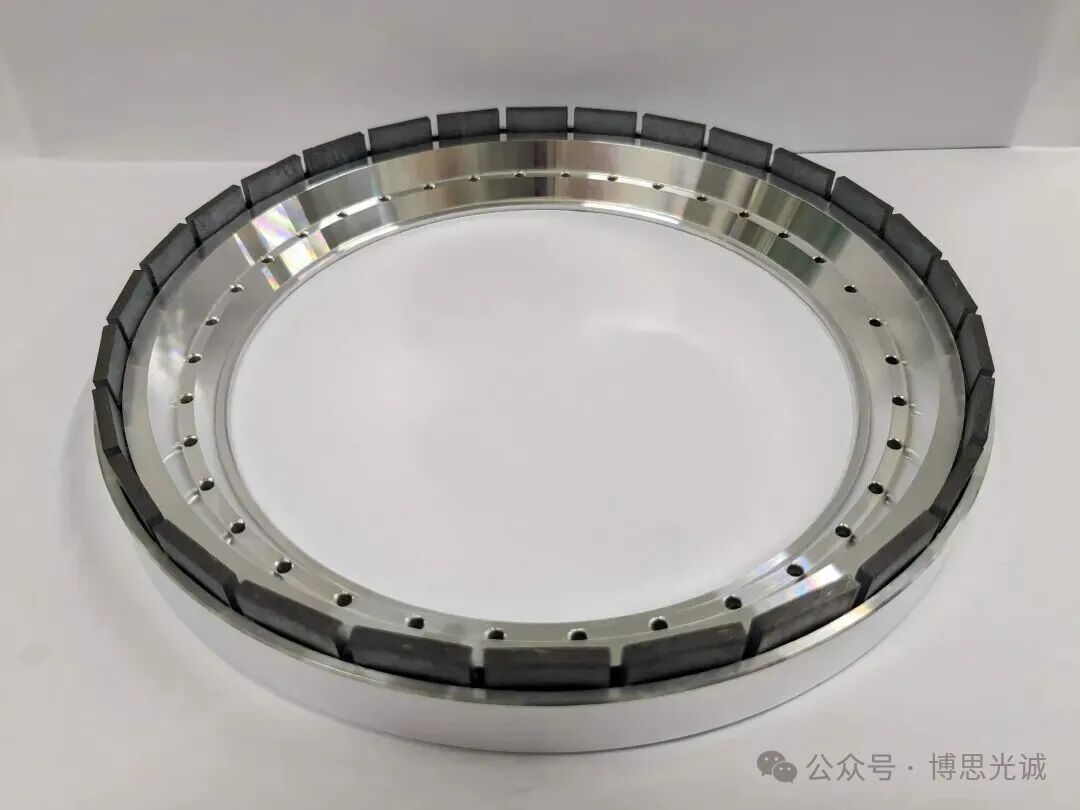
By raw material, grinding wheels are divided into "conventional wheels" and "super-abrasive wheels." Both share a key indicator — "abrasive grain content," i.e., the proportion of abrasive grains per unit volume. Simply put:
High grain content → "Dense" wheel structure (more grains)
Low grain content → "Open" wheel structure (fewer grains)
04
How Does Structure/Concentration Affect Grinding Performance?
The "density" of the wheel directly determines machining performance. The table below shows the core differences at a glance:
Structure Type | Grain-to-Pore Ratio | Machining Characteristics | Final Result |
Dense | More grains, fewer pores | More grain contact points, lower load per grain, less prone to fracturing, slower wear | Slightly reduced cutting sharpness, but finer workpiece surface |
Open | Fewer grains, more pores | Fewer grain contact points, higher load per grain, easier to fracture and expose new cutting edges | Better cutting sharpness, but relatively rougher workpiece surface |
The spindle current of the equipment also gives a direct indication: generally, the more open the structure, the lower the power consumed by grinding, which means smoother cutting — fully consistent with the pattern we actually observe of "open wheels being more efficient with slightly higher surface roughness."
05
Hidden Influencing Factor: Uniformity of Grain Distribution
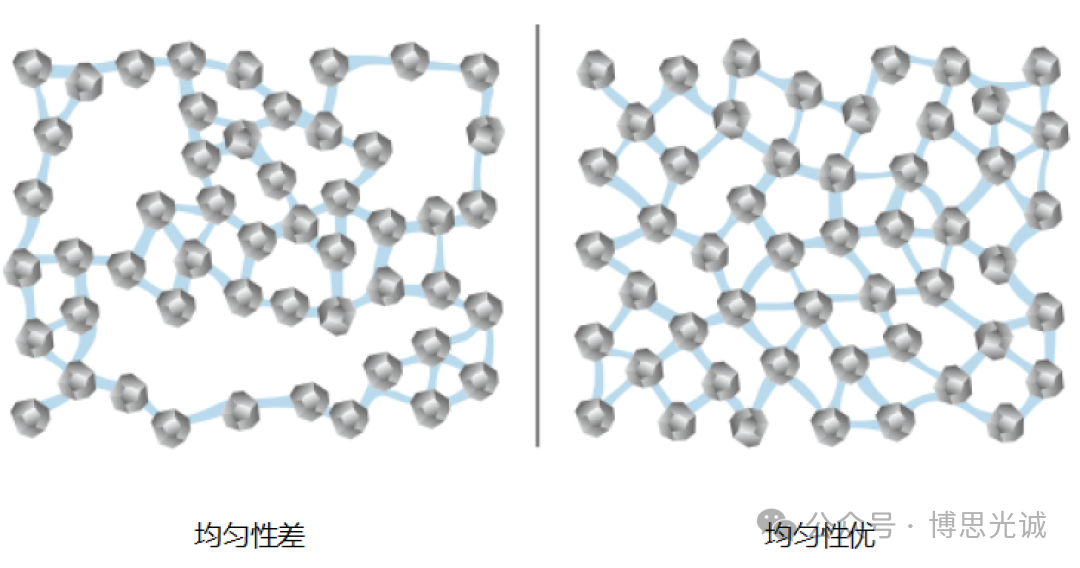
Many people do not realize that even with the same grain content, wheel performance can differ greatly. The key lies in the uniformity of grain distribution:
Poor uniformity: grains tend to cluster, and large pores appear. Although the clustered areas are hard and the large pores evacuate chips quickly, performing reasonably in certain scenarios, they are prone to grain dissolution, cluster detachment, and even an increased risk of grinding burn.
Good uniformity: grains are evenly distributed with small, fine pores. This structure allows more uniform grinding forces and stronger machining stability, making it a more versatile, high-quality design.
 BOSI Kousei Seimitsu Grinding Wheel Business — "Flagship Product"
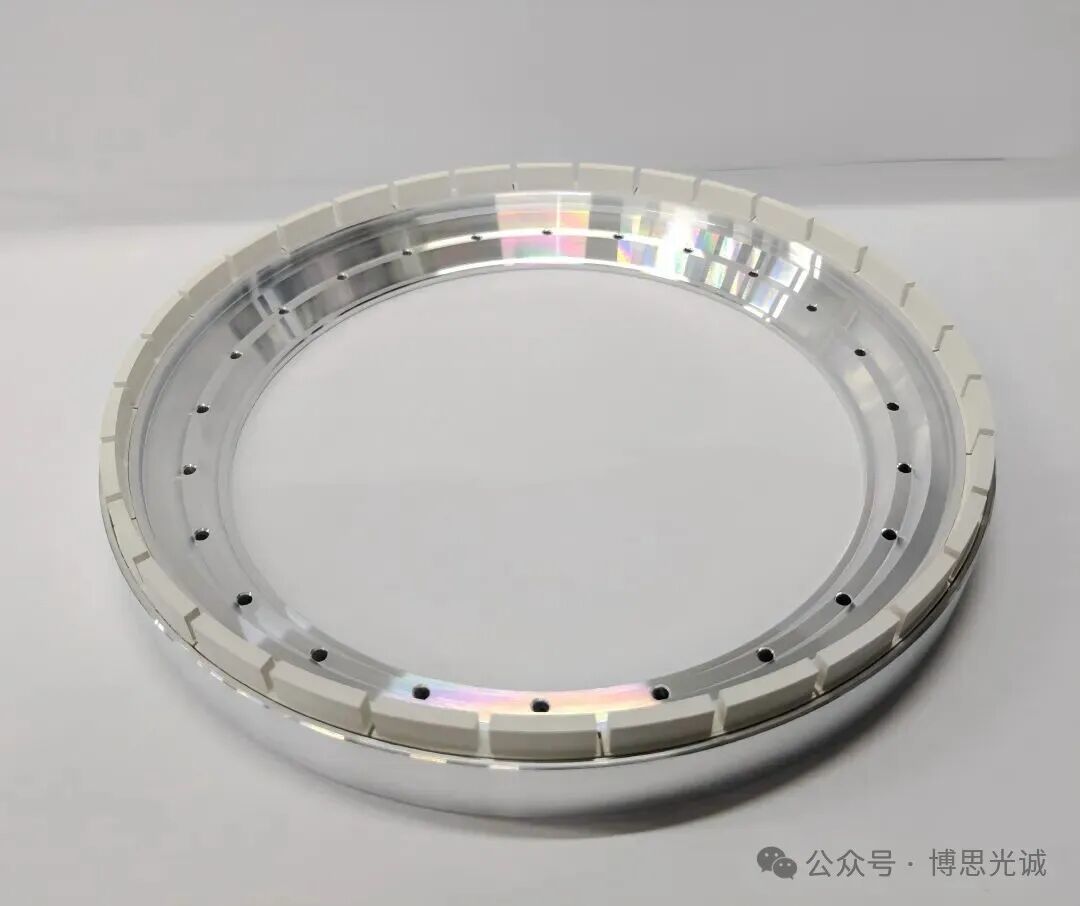
12000# Fine Grinding Ceramic Wheel
The 12000# fine grinding ceramic wheel is the culmination of NORITAKE's century-long craftsmanship, developed specifically for third-generation semiconductor silicon carbide (SiC). The launch of this flat grinding wheel is a strong complement to customers' productivity needs. This wheel features low-load grinding, long service life, improved machining accuracy, and reduced processing costs. It is compatible with all mainstream thinning (back-grinding) machines and has been steadily supplied to multiple leading device and substrate manufacturers.
In addition, we support the production of wheels in custom sizes and shapes.
END
Though compact in size, the grinding wheel embodies the professional logic of material formulation and structural design. Mastering the core construction knowledge of grinding wheels is the key to precise selection and efficient application. If industry peers encounter any related issues during actual wheel use, we welcome you to leave a message by email for exchange and joint discussion on refinement.


