
Semiconductor Silicon Wafer Polishing Pad Selection Guide: Full-process Adaptation to Solve Polishing Challenges Accurately
In the precision track of semiconductor chip manufacturing, silicon wafer polishing directly determines the final performance and yield of chips. As the core consumable of the polishing process, the material selection of polishing pads acts as a vital variable that affects process results. Many industry practitioners face common selection dilemmas: which material suits different polishing stages, and how to balance efficiency, precision and cost?
Based on the full-process requirements of semiconductor manufacturing, this article analyzes the core advantages and applicable scenarios of three mainstream polishing pads: polyurethane, non-woven fabric and damping cloth, helping you achieve accurate selection and efficient production.
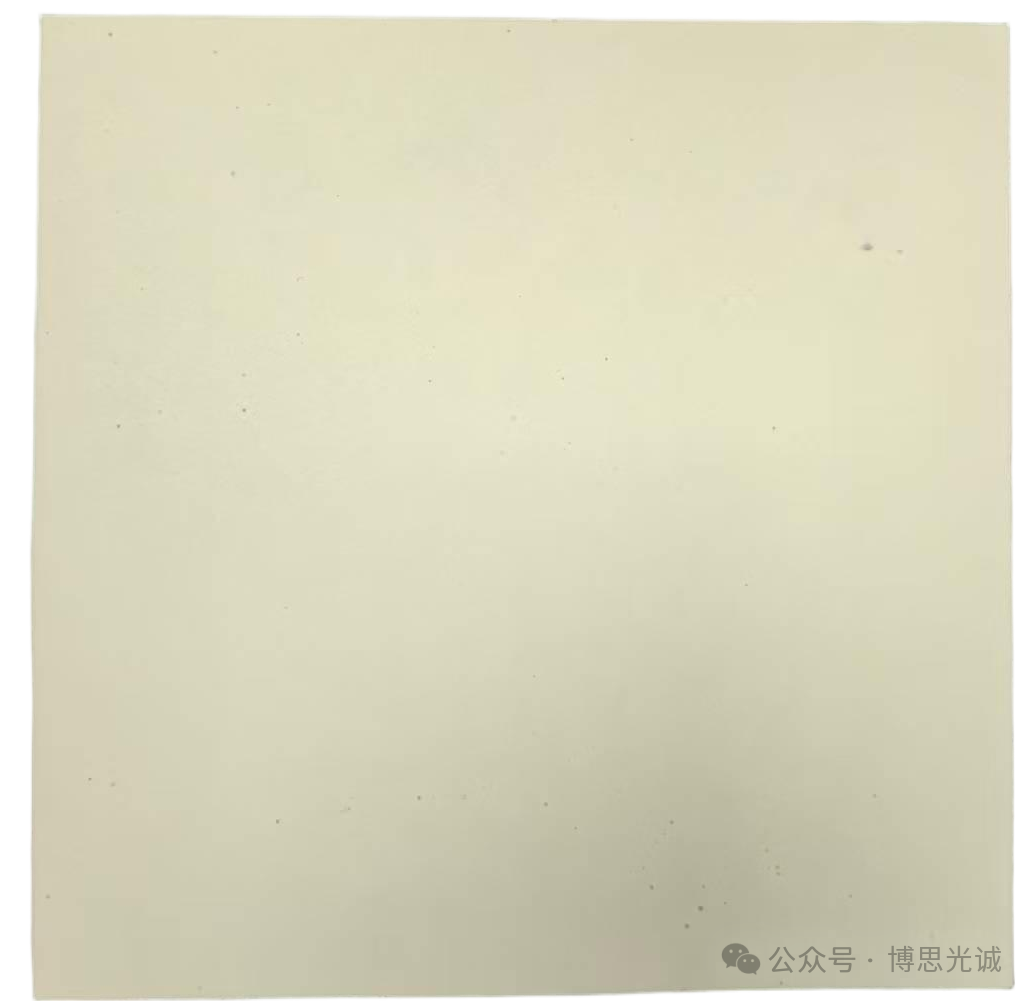
1. Polyurethane Polishing Pad: Efficiency Leader for Rough Polishing
Applicable Scenarios
With the core goals of rapid material removal and preliminary wafer planarization, polyurethane polishing pads serve as the classic choice for the rough polishing stage.
Features & Advantages
Featuring excellent tear resistance, the pad maintains stable morphology and structural integrity under high-speed polishing with a long service life. Its dense surface micropores can lock abrasives, and the designed drainage grooves discharge residues in a timely manner to avoid secondary scratches. It ensures high efficiency and controllability throughout the rough polishing process.
Limitations
As semiconductor processes advance to cutting-edge nodes, wafer surface quality standards become increasingly stringent. Due to relatively high hardness, polyurethane polishing pads may cause minor surface scratches, making them exclusively suitable for rough polishing procedures as high-efficiency consumables for the initial manufacturing stage.
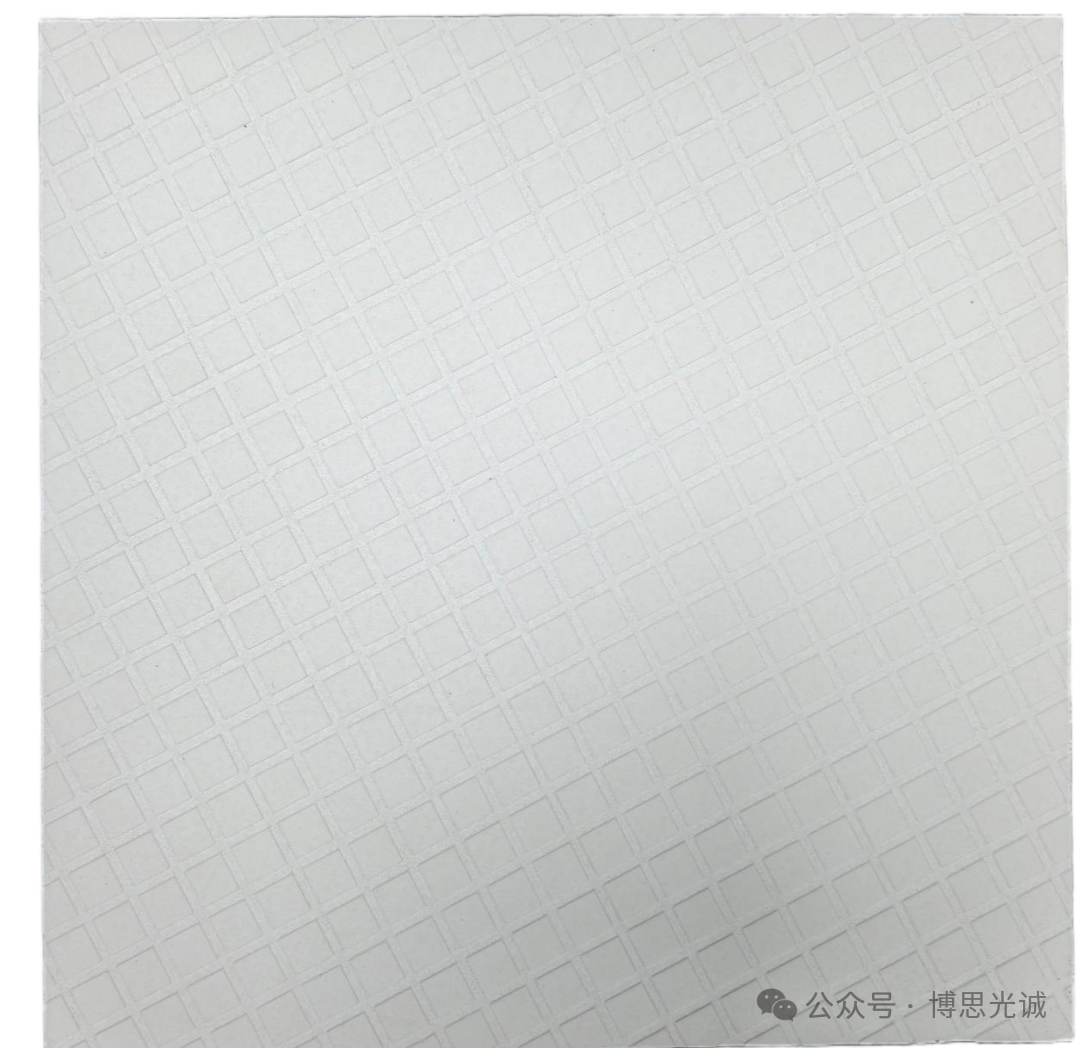
2. Non-woven Fabric Polishing Pad: Precision Benchmark for Fine & Final Polishing
Applicable Scenarios
Surface flatness and finish improvement are the core priorities of fine and final polishing. With unique structural design and superior performance, non-woven fabric polishing pads have become the mainstream solution for this critical stage.
Process Characteristics
Made of polymer flocculent fibers via specialized processing techniques, non-woven polishing pads deliver excellent water permeability. They can fully contain and uniformly release polishing slurry to ensure consistent polishing results. With low hardness and outstanding elasticity, the pads reduce surface impact force on silicon wafers, precisely control material removal rate, and avoid uneven thickness caused by over-polishing.
Core Advantages
The fluffy structure of non-woven polishing pads shows prominent performance in final polishing. With an ideal compression ratio, the porous fluffy structure closely fits wafer surfaces, accurately repairs micro unevenness, significantly reduces surface roughness, and achieves nearly defect-free ultra-smooth surfaces. As the standard configuration for fine and final polishing in advanced global processes, this series is widely adopted in high-end silicon wafer processing.
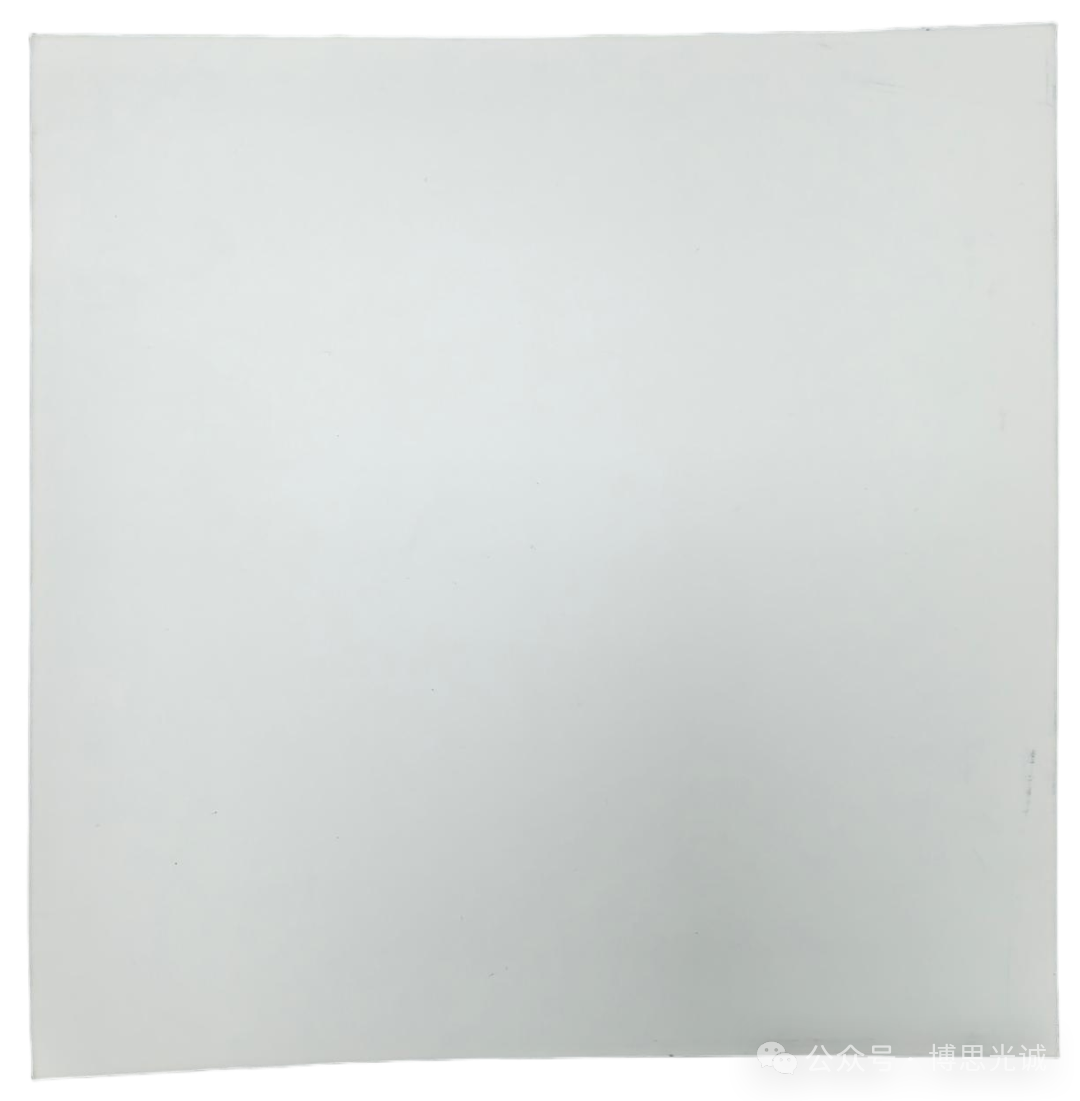
3. Damping Cloth Polishing Pad: High-performance Solution for Advanced Processes
Applicable Scenarios
With the popularization of cutting-edge processes such as Extreme Ultraviolet (EUV) lithography, silicon wafer polishing faces dual challenges of high planarization and low non-uniformity. Damping cloth polishing pads emerge as the optimal choice for high-standard polishing scenarios.
Process Characteristics
Adopting an innovative dual-layer composite structure of "hard upper layer + soft lower layer", the upper rigid layer guarantees high planarization performance, while the lower flexible layer adapts to micro undulations on wafer surfaces to upgrade overall polishing quality. The unique internal dual micropore structure effectively lowers rebound rate, prevents long-term indentation deformation, and greatly improves process stability.
Core Advantages
Notably, the matrix of damping cloth polishing pads is innovatively blended with soluble fillers, which dissolve during polishing to form secondary micropores. This design extends service life, reduces wafer defectivity, lowers slurry consumption, and realizes dual optimization of quality improvement and cost reduction. It is a critical consumable for high-end EUV lithography processes.
Guangcheng Precision: Reliable Quality Assurance for Polishing Pad Selection
In addition to matching pad materials with different polishing stages, selecting a reputable supplier with solid technical capabilities is essential to guarantee consistent polishing performance and production stability. As an officially authorized agent of Toray polishing pads, Guangcheng Precision relies on the brand’s leading technical accumulation to supply full-series high-quality polishing pads, trusted by top semiconductor enterprises.
Toray’s state-of-the-art technologies enable non-woven polishing pads to significantly enhance wafer finish, while damping cloth polishing pads extend service life and reduce slurry consumption. Guangcheng Precision provides one-on-one professional selection guidance to help customers achieve production quality upgrade and cost optimization.


