
Precision Polishing: Core Logic and Cutting-Edge Technological Trends
1. The Three-Stage Polishing Process: From Basic Preprocessing to Ultimate Finishing
Gradient Grinding: Coarse grinding efficiently removes excess material and calibrates the basic workpiece thickness with priority given to processing efficiency. Subsequent fine grinding refines the surface texture, eliminates micro scratches and damages, and lays a solid foundation for follow-up precision polishing.
Deep Cleaning: Ultrasonic cleaning is adopted after grinding to completely remove residual abrasive particles and avoid secondary surface scratches during subsequent processing.
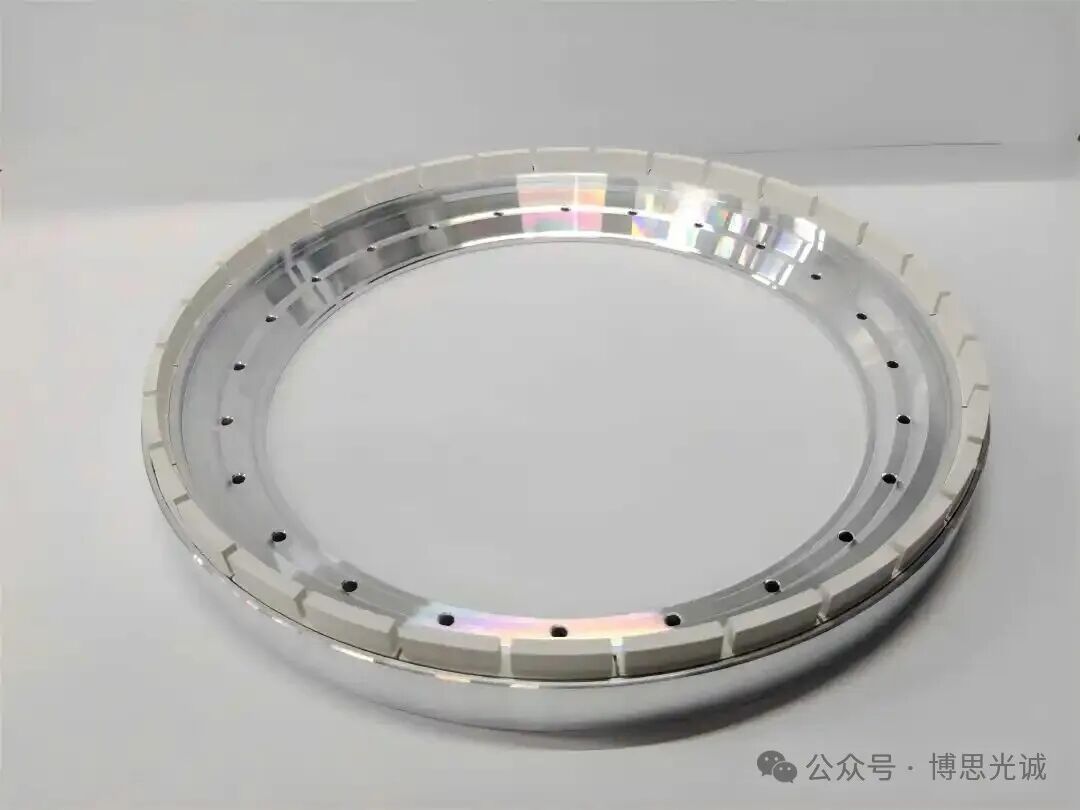
Core Polishing Principle: Achieving Surface Smoothing Through Gradient Machining
Mechanical Rough Polishing: Speed-adjustable professional equipment matched with special polishing agents is used for mechanical grinding, which rapidly reduces surface roughness and completes preliminary surface finishing efficiently.
Chemical Mechanical Polishing (CMP): Leveraging the synergistic effect of chemical corrosion and mechanical grinding, nano-level polishing slurry and porous polishing pads are applied to achieve sub-nanometer workpiece surface flatness.
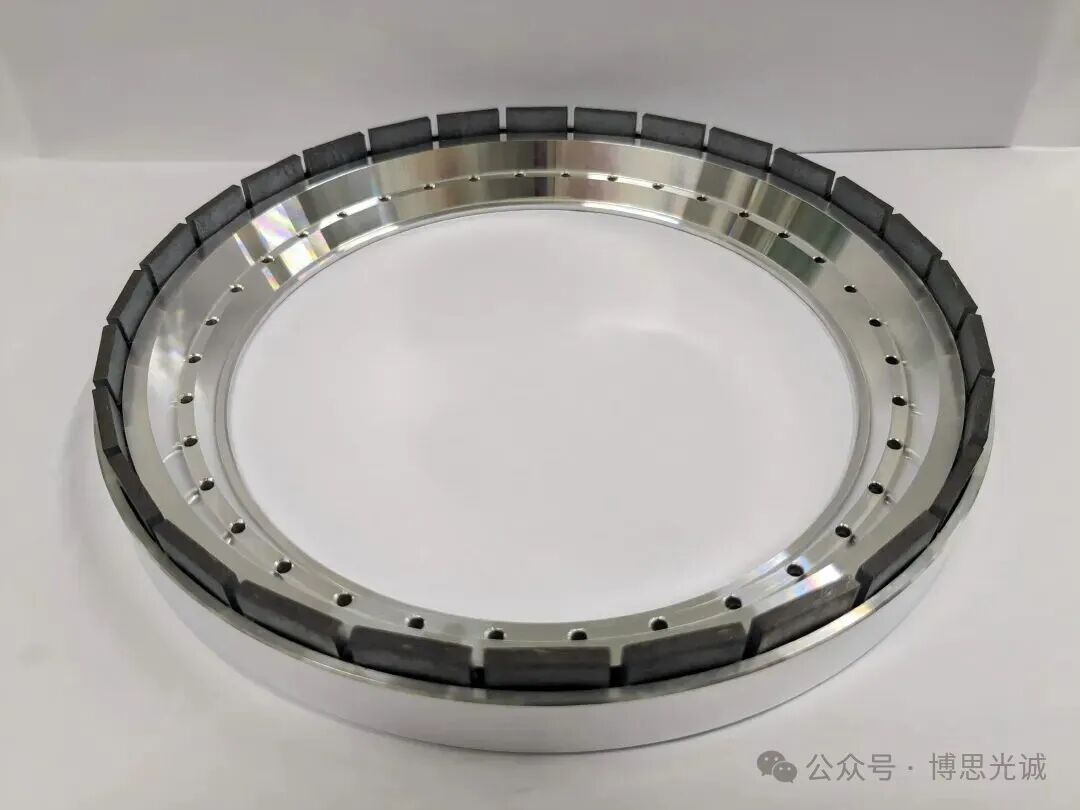
Ultra-precision Cleaning: Adopting high-frequency acoustic wave and plasma composite cleaning technology, this process thoroughly removes surface adsorbed organic matter and nano-scale particles, preventing product performance degradation caused by residual impurities.
Surface Passivation: For highly active materials such as silicon nitride, plasma treatment is applied to form a dense oxide protective layer, which isolates external pollution and effectively improves the corrosion resistance and structural stability of materials.
2. Three Core Control Elements: The Key to Polishing Accuracy
Temperature Control: The temperature of polishing slurry must be kept constant. Temperature fluctuations will cause thermal expansion and contraction of workpieces, directly damaging surface form accuracy. Accordingly, professional polishing equipment is equipped with high-precision constant temperature control systems.
Vibration Suppression: Environmental vibration is an invisible factor affecting polishing accuracy. All polishing equipment is installed on dedicated vibration isolation platforms to maximally isolate external interference and ensure stable and consistent processing status.
Pressure Uniformity Control: Uniform pressure distribution is critical during polishing. For special-shaped workpieces, customized profiling fixtures are adopted to avoid processing defects caused by uneven local pressure. Meanwhile, real-time pressure feedback systems are used for dynamic adjustment of processing pressure.
3. Quality Inspection: Quantitative Evaluation of Polishing Effects
Surface Roughness Detection: High-precision optical testing equipment and atomic force microscopes are used for multi-point sampling and testing to comprehensively evaluate surface smoothness and ensure compliance with preset quality standards.
Subsurface Damage Detection: Combined with chemical etching and micro-observation technology, this detection method checks for invisible internal micro-cracks of workpieces, avoiding defective products with perfect surface but damaged internal structures.
Surface Form Accuracy Detection: Precision equipment such as laser interferometers is utilized to accurately measure core indicators including flatness, ensuring perfect assembly and application adaptability of workpieces.
4. Common Problem Solutions: Polishing Process Avoidance Guide
Polishing Stripes
Edge Collapse
Surface Haze
5. Cutting-Edge Technologies: Future Development Directions of Polishing Processes
Magnetorheological Finishing (MRF): This technology forms a flexible polishing mold through magnetorheological fluid under magnetic field action, which is specially applicable to complex curved surface workpieces. The customized polishing mode can perfectly fit curved surface contours, realize uniform material removal, and achieve ultra-high surface smoothness.
Ion Beam Polishing: Representing the ultimate precision of polishing technology, it realizes atomic-level material removal through ion sputtering. It is mainly applied to cutting-edge products such as laser gyroscope mirrors and lithography machine lenses, achieving ultra-precision surface control beyond conventional processing standards.
6. Economic Process Selection: Key to Cost-Effective Polishing
Traditional chemical mechanical polishing is suitable for ordinary precision parts, which can meet precision requirements while effectively controlling production costs.
High-end processes such as ion beam polishing are required for core cutting-edge products including lithography machine lenses and aerospace components to guarantee extreme product performance.
Cost Optimization Tip: Adopt a polishing slurry recycling system to greatly reduce consumable waste and improve resource utilization efficiency.


